

Real estate investment guide in Bali and Indonesia for foreigners
It is the best option for first-time buyers looking to begin their journey in the Bali real estate market.
1 Introduction
If you are looking to invest in the real estate market in Bali, especially if it is your first experience and you are unsure where to start, this guide could be the solution you are looking for.
Approaching real estate investments abroad, particularly in a destination like Indonesia, may seem like a complex and risky challenge. It is not just about exploring new territory, but also about dealing with local regulations, a market you might not know in depth, and the unpredictable dynamics of currency fluctuations.
So, how do you take your first steps safely?
Don’t worry: in the following paragraphs, we will guide you through the eight essential aspects to consider before purchasing a property in Bali. First, however, let’s analyze the economic context of this extraordinary island together, so you can start with a clear and informed vision.
2 What is the economic situation in Bali?
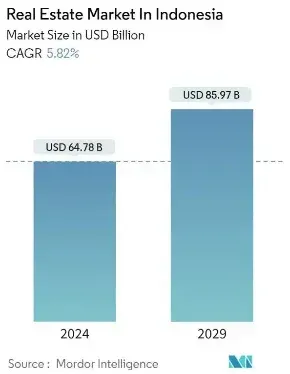
The Indonesian real estate market has shown remarkable resilience, as highlighted by a report from Mordor Intelligence, which underscores the sector's solidity even during the COVID-19 crisis.
In parallel, the tourism sector—one of the main drivers of Bali's economy—has seen a continuous increase in the number of visitors, both domestic and international.
Industry experts predict that this demand will continue to outpace supply, ensuring ample growth opportunities for those who decide to invest in Bali and Indonesia.
From January to July 2024, Bali already surpassed the total number of arrivals recorded in 2019, with a remarkable 7.75 million international tourists choosing the island as their destination.
This figure represents a significant increase of 20.75% compared to the same period in 2023!
July 2024 was a particularly extraordinary month, with 1.31 million international arrivals at I Gusti Ngurah Rai Airport. This result marked a 9.42% increase compared to June and a 16.91% increase compared to July 2023, confirming the global appeal of Bali, the Island of the Gods.
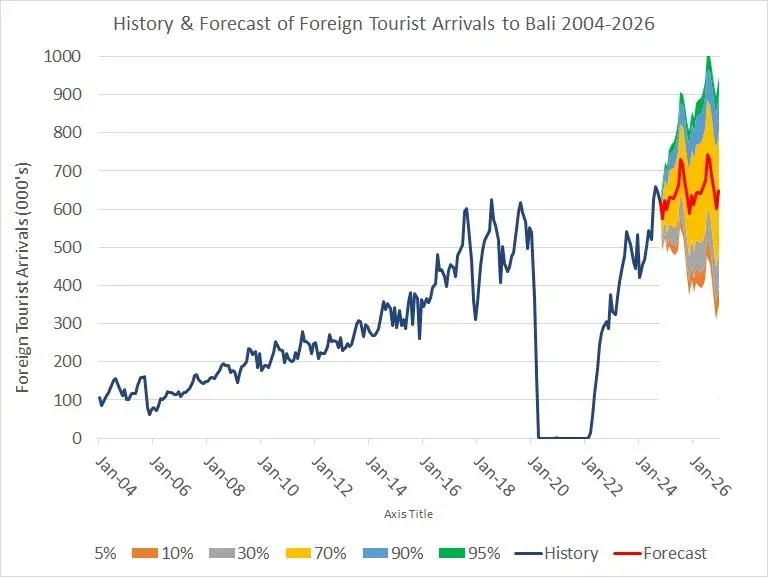
This growth has increased the demand for hotels, restaurants, and related services, making the sector an ideal opportunity for potential investors.
3 Why invest in Bali and Indonesia?
"Is it a good place to invest?"
If this is the question on your mind, here are 7 reasons that will help you make an informed decision.
#1. Bali is a world-renowned tourist destination
In 2024, Bali ranked as the second most visited destination in the world, surpassing iconic cities such as Paris, Rome, New York, and Bangkok. This ranking is based on 12 months of excellent reviews regarding accommodations, restaurants, and activities.
While international visitor numbers in 2023 saw a 74.07% increase compared to July 2022—highlighting a remarkable recovery for the tourism sector—2024 concluded with over 6.3 million foreign tourists visiting Bali, exceeding pre-COVID levels.
This data not only confirms Bali's growing popularity among global tourists but also represents particularly encouraging news for real estate investors: a high influx of visitors translates into high occupancy rates and strong demand for rental properties.
#2. High demand from the domestic market
The demand for accommodation in Bali does not only come from international tourists but also from domestic visitors.
Most Indonesian residents travel with large families, staying on the island for short or long holidays. Often, in addition to children, they bring grandparents, parents, and, in some cases, household staff such as nannies.
For this reason, staying in a hotel often proves impractical. The ideal solution for these families is to rent a villa, preferably located in the most sought-after areas, where they can enjoy more space, privacy, and comfort.
#3. High occupancy rates
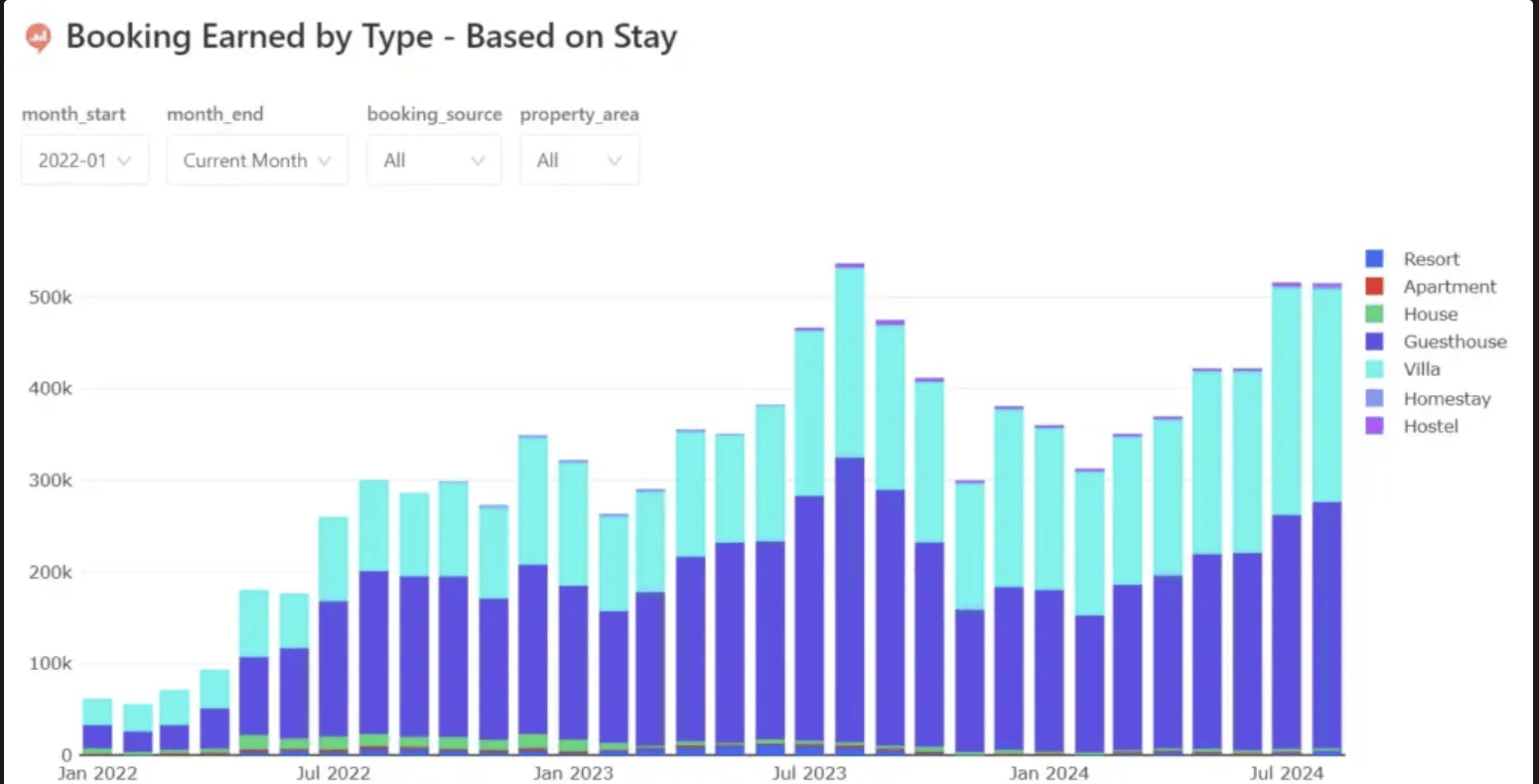
The strong demand from the domestic market in Bali provides a solid foundation of stability for investors. With a population exceeding 4 million people and a continuously expanding middle class, the demand for goods and services is constant, creating an ideal environment for investment.
Furthermore, as one of the most visited islands in the world, it is no surprise that real estate investment in Bali continues to be one of the most profitable and stable in the global landscape.
Thanks to Ngurah Rai Airport, Bali has consolidated itself as one of the primary destinations for international tourism. In 2024, the island welcomed over 6.3 million international visitors, significantly contributing to the increase in occupancy rates for accommodation facilities and the growth of the real estate market.
#4. Accessible entry points for investment
Compared to more expensive locations like Singapore or Hong Kong, Indonesia offers an opportunity to invest in the Asian real estate sector at considerably lower costs.
In Bali, it is possible to purchase an apartment starting from €85,000 or build a villa starting from €130,000. The island has also been identified as one of the destinations with the lowest housing prices in the world, as highlighted in a report by Arabian Business.
Despite the affordable prices, Bali continues to offer high-quality services and facilities, vibrant markets, and breathtaking landscapes, making it an ideal choice for investors seeking opportunities in the real estate sector. This combination of accessibility and quality makes Bali a highly attractive market, drawing a wide range of investors looking for value.
#5. High returns on investment
Bali attracts millions of tourists every year, creating a constant demand for accommodation.
This translates into a reliable source of rental income for property owners, especially for those who choose to list their property on platforms like Airbnb. By investing in strategic areas such as Ubud, Uluwatu, or the Gili Islands, it is possible to achieve an average annual rental return ranging between 15% and 20%.
What makes Bali even more interesting as an investment destination is the speed at which you can see a return on your capital: properties can pay for themselves in just 5-6 years, thanks to strong rental income and the potential for property value growth.
#6. Ease of doing business
Bali has adopted several measures to improve its business environment, simplifying the process for investors wishing to start and manage their activities on the island.
The Indonesian government has worked to streamline processes, reduce bureaucracy, and introduce investment-friendly policies to attract foreign capital. A concrete example of this commitment is the Online Single Submission (OSS) system, introduced in 2018, which significantly simplifies the process of obtaining necessary permits and licenses.
These initiatives have significantly reduced the time and effort required to start a business in Bali, thereby creating a more favorable and stimulating environment for investors.
#7. Infrastructure improvement
The Indonesian government's support for Bali's tourism industry is evident in several aspects.
Bali is continuously upgrading its infrastructure, with improvements to roads and highways, new bus lines and public transport options, and a constant expansion of healthcare services and high-speed internet connection.
A tangible example of these developments is the toll road connecting Denpasar to Nusa Dua, which has cut travel time in half, making your future property more accessible for both tourists and residents.
The island is seeing the construction of new international hospitals and healthcare facilities, such as the Bali International Hospital, which offer high-quality services. The presence of advanced healthcare facilities increases the appeal of properties, making them even more attractive to retirees and families.
4 What to know before buying a property in Bali?
Before exploring the process of buying a property in Bali in detail, it is essential to understand the key aspects to consider in order to avoid any surprises along the way.
#1. Lack of understanding of real estate ownership
Land in Bali is subject to precise zoning regulations, and the first step for a careful investment is to closely examine the different areas and locations.
Popular places like Canggu, Ubud, Seseh, Uluwatu, and Gili Trawangan are ideal if your investment strategy involves renting out the property. These neighborhoods attract a significant number of tourists, ensuring constant demand.
Do not forget to thoroughly explore the entire neighborhood, observing the main streets, the most popular restaurants and bars, and nearby attractions. This will help you choose the best location for your real estate investment.
Legal check: Ensure the lease agreement is clear and complete, paying particular attention to the lease duration, extension options, and any rules to be followed.
Owner: Verify the property title to avoid surprises regarding land ownership and to prevent possible legal issues.
Inspect the property: Visit the property in person to assess its condition. This will prevent you from facing additional costs for unforeseen repairs after the purchase.
Prepare a safety margin: Consider all costs related to the purchase, not just the price of the villa. Include taxes, maintenance costs, and any community fees.
Comply with regulations: Ensure the villa complies with local regulations regarding construction and land use, especially if you plan to make structural changes.
#2. Investing through a nominee agreement
The second most common mistake foreigners make when investing in Bali is using a nominee system. But what exactly does this mean?
A nominee system involves an individual or entity being designated by another party (the nominator) to hold ownership of a property or asset in their name. In practice, the nominee appears as the registered owner of the property, while the investor retains economic rights, including those related to rental income or sales proceeds.
Since Indonesian law limits direct ownership for foreigners, many investors turn to this "shortcut" to try and bypass restrictions. However, it is vital to know that the nominee system is neither legal nor secure. In fact, the designated land owner has the power to sell the property without your consent, putting your investment at risk.
#3. Absence of mortgages (direct payment)
In Bali, foreigners cannot obtain mortgages from local banks, which means it is not possible to finance a property purchase through a bank loan.
Consequently, it is necessary to pay the full amount at the time of signing the contract. This condition makes purchasing a property in Bali more challenging, and for this reason, it is essential to have sufficient savings before proceeding with the purchase.
Some foreign investors explore other financing options, such as obtaining a loan in their home country or collaborating with private lenders. However, these solutions are not comparable to a local bank mortgage and involve significant differences in terms of interest rates and payment terms.
#4. Land zoning
If you are thinking about investing in Bali, it is essential to know the land zoning rules.
Land zoning is a set of regulations that govern what you can build and do on a specific property. These rules serve to maintain order and ensure that buildings and activities are in harmony with the surrounding area.
In Bali, there are some main zones that are important to know:
Residential Zone (Yellow)
Commercial Zone (Red)
Tourist Zone (Pink)
Agricultural Zone (Green)
#5. Taxes
If you invest in a property in Bali, here are the main taxes you need to be aware of:
Property and Building Tax (PBB): This annual tax is calculated by multiplying 20% of the property value by 0.5%. It is a small amount but must be paid every year to avoid penalties.
Transfer of Title Tax: When you transfer ownership, you will need to pay a 5% tax on the value declared in the sale deed.
Construction Tax: Based on the construction budget, it varies from 1.75% to 6% depending on who carried out the construction.
Luxury Tax: If your property value exceeds 30 billion IDR (approximately 2 million USD), you will have to pay a 20% tax.
Name Change Fee: When you change the name on the property certificate, there is a small fee calculated based on the land area.
Sale of Leasehold Property: If you are a foreigner selling a leasehold property without an Indonesian tax number (NPWP), you will face a 20% tax on the sale. However, if your country has a double taxation treaty with Indonesia, you may be able to offset this tax against those in your home country.
Disclaimer: The information provided in this article is for general informational purposes only and may not reflect the most up-to-date regulations. Always consult a qualified legal or financial professional before making investment decisions.
#6. Building permits
When you buy a property in Bali, it is essential to obtain a building permit (PBG, Persetujuan Bangunan Gedung), which replaced the previous IMB system.
The PBG ensures that the building complies with local regulations and meets safety standards. Without it, the construction could be considered illegal, with potentially serious consequences such as fines or, in the worst-case scenario, the demolition of the building.
To avoid complications, it is crucial to ensure that the property has a valid PBG before undertaking any construction or renovation work. This will help keep your investment legal and compliant, reducing risks and unforeseen events.
5 How to buy a property in Bali and Indonesia?
When buying a property in Bali, the first fundamental step is to precisely define what you want. Although it may seem like a simple action, clarifying your goals from the start will allow you to navigate the process more smoothly, avoiding surprises or complications along the way.
#1. Start with research and planning
Do you imagine yourself living in a charming house near the sea, or do you prefer an investment that can grow over time? Clarifying your goals will help you narrow down your options and find the ideal solution.
Bali and Indonesia offer an extraordinary variety of locations, each with its own unique atmosphere and opportunities. Areas like Ubud, Uluwatu, or the Gili Islands are perfect for those seeking tranquility and contact with nature. Conversely, locations like Seminyak or Canggu are always vibrant, full of life, and attract a large number of visitors.
When evaluating different villas, pay close attention to the location and the services offered. A quiet but well-connected place, close to the beach, shops, and restaurants, is a key element for a successful investment. Look for properties with distinctive features, such as private pools, breathtaking panoramic views, and spacious rooms. These elements not only improve quality of life but also increase the perceived value of the property, attracting more visitors and maximizing your return on investment.
#2. Off-plan villa or already built?
When purchasing a villa in Bali, you can choose between two main options: a villa under construction (off-plan) or one that is already completed.
Off-plan villas: Opting for an off-plan villa often represents a more economical option, with significant potential for value increase once finished. Additionally, you will have the chance to customize it according to your style and needs. However, it is important to consider possible risks, such as construction delays due to weather or material availability.
Already built villas: By choosing a completed villa, you can see exactly what you are buying, with no surprises, and immediately start generating rental income. This option offers greater security and faster timelines for achieving a return on investment.
#3. Finding the right villa in Bali
Looking for the perfect villa in Bali?
Start by exploring major websites to get an idea of the available options, but don't stop there. Speaking with expert real estate agents who have deep knowledge of the local market can make a big difference. Their experience allows them to guide you toward the best deals and offer personalized advice based on your budget and needs.
Don't underestimate the value of word-of-mouth. Friends and acquaintances might have useful suggestions or know of unique opportunities you wouldn't easily find online.
#4. Doing proper due diligence
Before finalizing the purchase of a property in Indonesia, it is vital to verify the legitimacy of the seller and conduct thorough due diligence. In Bali, many properties may have multiple owners due to inheritance, so verifying effective ownership is an essential step.
Check the property: Ensure the title and its history are clear. A trusted notary can help you verify original ownership documents, such as the Hak Milik certificate, and compare the seller's ID with the property details.
Examine legal documents: Work with a reliable notary to confirm all documentation, such as property titles and tax payments, is in order. This protects you from hidden problems that might emerge later.
#5. Manage your property
If you do not plan to live there year-round, relying on a reputable property management company is a strategic choice. A professional property manager will handle all aspects related to your villa:
Promotion of the property on major booking portals like Booking.com or Airbnb.
Daily management, including maintenance and cleaning.
Direct communication with guests, ensuring excellent service from arrival to departure.
Choosing the right manager is crucial. Look for a professional with solid experience in managing properties in Bali and a deep understanding of the local real estate market and traveler needs.
6 The right strategy for a profitable investment
If your goal is to own a profitable real estate property in Bali, the key is a well-defined strategy.
#1. Understanding market dynamics
Staying updated on Bali's real estate market trends is fundamental. Consulting reports and analysis from reliable sources like Indonesia Expat, Forbes, or The Bali Sun will help you identify the best time to buy.
#2. Evaluating rental potential
If you intend to rent out your villa, elements like proximity to amenities, privacy, and unique features (like a pool or garden) can significantly affect your property's desirability. Research the rental market in your chosen area to understand demand and consult local agencies for income estimates.
#3. Avoiding common mistakes
Don't be influenced solely by hype or negative comments: it is essential to do your own research. Speak with local residents, expats who have purchased property, and real estate professionals.
#4. Future exit strategy
Whether you decide to hold the property for long-term value increase or resell it after a few years, your strategy must align with market forecasts and your personal investment goals.
7 Conclusions
With a constant influx of tourists and investors, Bali remains an ideal destination for those wishing to invest in the real estate sector. Growing demand, coupled with limited availability of properties at accessible prices, is contributing to a gradual increase in property values.
In Rhino Investing, we are always ready to answer your questions and support you in your real estate investment journey in Bali and Indonesia. Our experience and local market knowledge will be your advantage in making safe and strategic choices.


Download our Business Plan
Transparency is everything to us: get a feel for your next investment and take a look at the business plan we have developed.

Webinar
Our advice for navigating the Bali investment landscape with confidence. Discover local market dynamics, learn how to assess risks, and identify the areas with the highest appreciation potential.

Book a meeting with us
Schedule your free consultation today; we are here to help and answer any initial questions you may have.
Contacts
+39 345 51 40 828 +39 349 25 66 786 info@rhinoinvesting.ltd
Address
Gili Trawangan, NTB, Indonesia


